

UCAT Sections Explained: What Each Section Is Actually Testing
A lot of students approach the UCAT like a knowledge exam. They focus on techniques, memorise patterns, and try to work through as many questions as possible.
But the UCAT isn't really testing what you know. It's testing how you think under pressure. And once you understand that, your preparation changes completely.
Here's what's actually being assessed in each section, and why that matters for how you revise.
A Quick Overview of the UCAT Sections
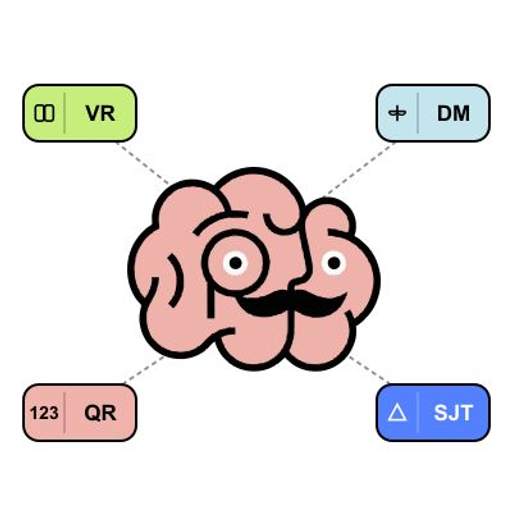
The UCAT has four sections:

Verbal Reasoning
-
Decision Making
-
Quantitative Reasoning
-
Situational Judgement
Each one looks different on the surface. But they all test a version of the same core skill: making accurate decisions quickly, with limited time and imperfect information.
What Each UCAT Section Is Really Assessing
Verbal Reasoning
This is not a reading comprehension test. The UCAT isn't checking whether you can understand a passage if you read it carefully enough. It's checking how efficiently you can extract the one piece of information you need, and ignore the rest.
Students who treat it like English literature end up rereading and overthinking. The skill here is selective reading and fast judgement.
Decision Making
Decision Making tests logical reasoning under pressure. It's about evaluating evidence, identifying what's relevant, and reaching a structured conclusion without certainty.
It's worth noting this section often trips up high-achieving students who are used to getting things definitively right. The UCAT wants you to make the best decision with the information available, not the perfect one.
Quantitative Reasoning
Despite the name, this isn't really a maths test. The UCAT is assessing how you interpret data under time pressure. The calculations themselves are usually straightforward. The challenge is reading a chart or table quickly, identifying what's being asked, and not getting distracted by irrelevant information.
Strong mental arithmetic helps, but data interpretation and efficient working are what actually move the score.
Situational Judgement
This section tests professional behaviour and judgement in clinical scenarios. It's not asking what you would do, it's asking what a good future doctor should do, according to the values the medical profession is built on.
Students sometimes overthink this by drawing on personal experience. The better approach is to understand the underlying principles and apply them consistently.
The Misconceptions That Hold Students Back
Most of the time, poor UCAT performance comes from applying the wrong mindset to a section, not from lack of ability.
-
Thinking Verbal Reasoning requires reading everything carefully leads to running out of time
-
Thinking Decision Making is about getting every question right leads to over-analysis
-
Thinking Quantitative Reasoning needs strong maths leads to overcomplicating simple problems
-
Thinking Situational Judgement is about personal values leads to inconsistent answers
Shift the mindset and performance improves, often without needing to do more questions.
How to Use This in Your UCAT Preparation
Knowing what each section is actually testing means you can train the right skill rather than the wrong one.
For Verbal Reasoning, practise skimming and filtering. For Decision Making, practise structured logic. For Quantitative Reasoning, practise data reading. For Situational Judgement, study the principles behind the mark scheme.
And across all four, practise making decisions under time pressure, committing to answers, and moving on. That's the skill the entire UCAT is built around.
Prepare for the UCAT With Quesmed
Quesmed's UCAT question bank covers all four sections with 20,000+ expert-written questions and detailed explanations that go beyond just telling you the right answer.
Performance tracking breaks down your results by section and question type, so you can see exactly where to focus.